Gold Pound Guide: Weight, Karat, Price and Why Savers Like It
The Egyptian gold pound weighs 8 g of 21K. Learn its weight, half and quarter sizes, how its price follows the 21K gram, its making charge and resale ease.
By Editorial team6 min read
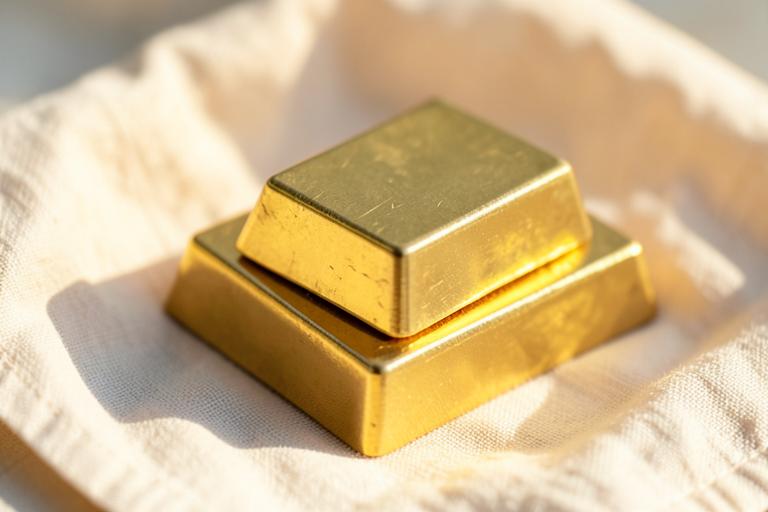
The gold pound is a gold coin weighing 8 grams of 21K, which is about 7 grams of pure gold. Its price is roughly the 21K gram price multiplied by 8, plus a small making charge, which is why many savers regard it as an easy-to-understand and easy-to-price way to hold savings.
This guide explains the weight of the pound, half pound and quarter pound, how to work out its price, how its making charge differs from that of jewelry, why it is seen as easy to sell, and when small bars may be another option worth comparing.
What is the gold pound?
The gold pound in Egypt is a gold coin that is not used as currency but is bought and sold at the gold price. It weighs 8 grams and is 21K, meaning it is 87.5% gold. Half and quarter pounds of the same karat are also sold.
| Piece | Total weight | Pure gold (24K equivalent) |
|---|---|---|
| Gold pound | 8 grams | 7 grams |
| Half pound | 4 grams | 3.5 grams |
| Quarter pound | 2 grams | 1.75 grams |
In other countries, the name "gold pound" is sometimes used for pieces of different weight and karat, such as the British sovereign, which weighs about 7.98 grams in 22K. Always ask about the weight and karat of the piece before comparing prices.
How is the price of the gold pound calculated?
The simplified rule:
Pound price ≈ (price of a gram of 21K × 8) + making charge or premium
If you know the price of a gram of 21K gold in Egypt, you can estimate the pound's price yourself before asking the dealer. The following numbers are an illustrative example with round figures, not today's price.
For example, if a gram of 21K costs 4,000 Egyptian pounds (EGP) and we assume the making charge is 300 EGP per piece:
| Piece | Gold value (gram price × weight) | Assumed making charge | Approximate price |
|---|---|---|---|
| Gold pound (8 g) | 32,000 | 300 | 32,300 |
| Half pound (4 g) | 16,000 | 200 | 16,200 |
| Quarter pound (2 g) | 8,000 | 150 | 8,150 |
Note that on small weights the making charge is a larger share of the piece's value, so the price per gram in a quarter pound may be higher than in a full pound. These making charges are assumptions; in reality they differ from one dealer to another and from time to time.
The gold pound versus jewelry: the difference in making charge
With jewelry, the buyer pays a making charge on every gram for design and craftsmanship, and this charge is often not recovered at resale, since used gold is usually priced by its weight and karat. The pound, by contrast, is a standard piece with no special design, and its making charge is usually much lower than that of jewelry, which is the main reason it is preferred by those who want to save rather than adorn.
To illustrate with an example: if you buy 8 grams of 21K jewelry with an assumed making charge of 250 EGP per gram, you will pay 2,000 EGP in making charges on top of the gold value, while the making charge on the whole gold pound may be 300 EGP as in the example above. For a broader comparison of jewelry and bars, read our article on gold bars versus jewelry: which is better for saving.
Why do savers like it?
- Known weight and karat: Every pound is 8 grams of 21K, so there is no argument over design, stones or net weight.
- Easy to split: You can sell one pound or half a pound as needed, instead of selling one large piece.
- Easy to resell: It is familiar to dealers and the public and is traded by the piece, so it is usually easy to price and turn into cash.
- Relatively low making charge: Likely a smaller share of your money is lost in making charges compared with jewelry.
- Easy to store: It is a small, sturdy piece that needs no special care, though keeping it somewhere safe is essential.
These are common advantages, not guarantees. Gold is a commodity whose price rises and falls, and this article does not recommend buying or selling.
Gold pound or small bars?
Small bars (5 or 10 grams or more) are usually 24K and are priced on the pure-gold gram with a premium. The comparison depends on actual prices:
| Point of comparison | Gold pound | Small bar |
|---|---|---|
| Karat | 21 | usually 24 |
| Weight | 8 grams (plus half and quarter) | 1 to 100 grams and more |
| Pricing basis | 21K gram × weight + making charge | 24K gram × weight + premium |
| Ease of splitting | Good (three sizes) | Depends on the weights available |
| Certificate and packaging | Often none | Often comes with packaging and a certificate |
The premium per gram may be lower on larger bars, but the pound has the advantage of being easy to sell by the piece. You can compare the per-gram price at more than one dealer before deciding, and use the gold calculator to convert weights and karats and estimate value.
Tips before buying
- Buy from a trusted dealer and ask for an invoice stating the weight and karat.
- Inspect the piece: Check that it is intact, with no wear or deformation, since condition may affect the resale price.
- Compare price with value: Multiply the 21K gram by 8 to get the gold value, and see whether the difference (the making charge) is reasonable.
- Account for the buy-sell spread: The dealer buys at a lower price than they sell at, so ask about the buying price too.
- Remember that prices are indicative: They change throughout the day, and the jeweler's quote is the reference when you transact.
What to expect when selling a gold pound
When you sell, the dealer usually buys at a slightly lower price than the selling price, and the difference between the two is the dealer's margin. For example, if a gram of 21K is 4,000 EGP, the dealer may offer around 32,000 EGP, or slightly less, for a whole pound in good condition, which is roughly the gold value without the making charge you paid. This is an illustrative figure. So you will likely bear a small buy-sell gap even if the gold price stays unchanged, a gap that is usually smaller than on jewelry. An invoice and an intact piece help with quick pricing.
Summary
The gold pound is a standard piece weighing 8 grams of 21K, and its price is roughly eight times the 21K gram price plus a small making charge. Its appeal to savers lies in its clear weight and karat and its ease of sale and splitting. You can follow the gold price today in Egypt and estimate the pound's price yourself before going to the dealer.
Frequently asked questions
How many grams are in a gold pound?
The Egyptian gold pound weighs 8 grams of 21K, equal to 7 grams of pure gold. The half pound is 4 grams and the quarter pound is 2 grams of the same karat.
How do I find the price of a gold pound from the gram price?
Multiply the price of a gram of 21K by 8, then add the making charge or premium the dealer asks. In practice the price is slightly above the value of the gold alone.
Why do many people prefer the gold pound to jewelry for saving?
Because its making charge is usually lower than that of jewelry, its weight and karat are fixed and well known, and it is easy to sell by the piece without argument over craftsmanship or design.
Is the gold pound better than small bars?
There is no single answer. The pound is easier to split and sell by the piece, while a bar offers 24K purity and a premium per gram that may be lower in larger weights. It is best to compare the actual prices at the dealer before deciding.